
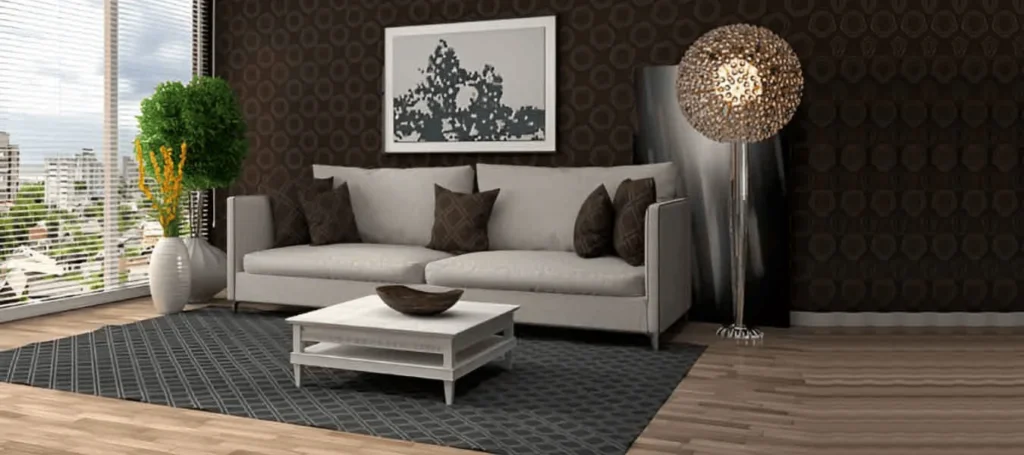
Wall coverings have come a long way from traditional wallpapers and plain paint. They are a versatile and stylish way to add personality, texture, and warmth to your home. Whether you want to make a bold statement in your living room, add a cozy ambiance to your bedroom, or enhance the sophistication of your dining area, the right wall covering can transform your space. But with so many options available, how do you choose the perfect one? This guide will help you make informed decisions, ensuring your walls reflect your style and meet your practical needs.
1. Understand the Purpose of Your Space
The first step in selecting the right wall covering is understanding the function and mood of the room. Each space in your home serves a different purpose, and the wall covering you choose should complement that purpose.
- Living Room: This is where you entertain guests and relax with family. Opt for wall coverings that create a welcoming and comfortable atmosphere. Textured wallpaper, subtle patterns, or natural materials like grasscloth can work well.
- Bedroom: Your bedroom is your sanctuary. Consider soft, calming colors and textures that promote relaxation. Think of muted tones, floral patterns, or even fabric wall coverings.
- Kitchen and Bathroom: These areas are prone to moisture and stains. Go for wall coverings that are durable, washable, and moisture-resistant. Vinyl wallpapers or tiles are excellent options.
- Dining Room: Add a touch of elegance and sophistication with bold patterns, metallic finishes, or deep colors that enhance the dining experience.
- Children’s Rooms: Choose fun, colorful, and durable wall coverings that can withstand wear and tear. Peel-and-stick wallpapers are great for kids’ rooms as they can be easily updated.
2. Evaluate Your Style Preferences
Your personal style plays a significant role in choosing wall coverings. Do you prefer modern minimalism, classic elegance, or eclectic designs? Here are some ideas based on popular interior styles:
- Modern and Minimalist: Stick to neutral colors, geometric patterns, or textured wall coverings.
- Traditional: Go for intricate patterns, damask designs, or rich, warm colors.
- Bohemian: Choose bold patterns, vibrant colors, and organic textures like jute or bamboo.
- Industrial: Exposed brick wallpapers or metallic finishes complement industrial spaces.
- Scandinavian: Opt for simple designs, pastel tones, and natural materials.
3. Choose the Right Material
Wall coverings come in a variety of materials, each with its pros and cons. Understanding these materials will help you select the one that fits your needs best.
- Vinyl: Durable, moisture-resistant, and easy to clean, vinyl is perfect for high-traffic areas like kitchens, bathrooms, and hallways.
- Grasscloth: Made from natural fibers, grasscloth adds texture and warmth. However, it’s not ideal for areas prone to moisture or stains.
- Fabric: Fabric wall coverings offer a luxurious look and excellent sound insulation. They’re best suited for bedrooms or living rooms.
- Foil and Metallic: Reflective surfaces add a sense of space and glamour but require smooth walls for proper application.
- Non-Woven: Easy to install and remove, non-woven wall coverings are breathable and tear-resistant.
- Peel-and-Stick: Great for renters or those who like to change their decor frequently, peel-and-stick options are easy to apply and remove.
4. Consider the Room’s Lighting
Lighting plays a crucial role in how wall coverings look in your space. Evaluate both natural and artificial light sources before making your decision.
- Bright Spaces: If your room gets ample natural light, you can experiment with darker tones and bold patterns.
- Low-Light Areas: Opt for light-reflective materials, pastel colors, or metallic finishes to brighten up the space.
- Artificial Lighting: Consider how the wall covering will look under different lighting conditions, such as warm or cool light bulbs.
5. Think About Maintenance
Different wall coverings have different maintenance requirements. Consider how much time and effort you’re willing to invest in upkeep.
- Low Maintenance: Vinyl and non-woven wall coverings are easy to clean and require minimal care.
- Moderate Maintenance: Grasscloth and fabric wall coverings may need regular dusting or professional cleaning.
- High Maintenance: Delicate materials like silk or specialty finishes may require careful handling and occasional restoration.
6. Measure and Plan
Before purchasing your wall covering, measure your walls to determine how much material you need. Here are some tips:
- Measure the height and width of each wall and calculate the total square footage.
- Consider patterns and repeats. Some designs require more material to match patterns seamlessly.
- Purchase extra material to account for errors, future repairs, or additional areas.
7. Balance Patterns and Colors
When choosing patterns and colors, aim for a balance that complements the room’s overall design. Here’s how:
- Small Spaces: Use light colors and small patterns to make the room feel larger.
- Large Spaces: Bold patterns and dark colors can add depth and coziness.
- Accent Walls: Highlight one wall with a striking pattern or color while keeping the others neutral.
- Color Harmony: Coordinate your wall coverings with the furniture, flooring, and decor to create a cohesive look.
8. Test Before Committing
Always test your chosen wall covering before applying it to an entire room. Here’s how:
- Purchase samples or small rolls.
- Tape them to your wall and observe how they look under different lighting conditions throughout the day.
- Consider how the pattern and color work with your existing decor.
9. Work with Professionals
If you’re unsure about your choice or need help with installation, consult a professional interior designer or installer. They can:
- Provide expert advice on selecting the right materials and designs.
- Ensure proper installation for a flawless finish.
- Help you achieve a custom look that reflects your personality and lifestyle.
10. Stay on Budget
Wall coverings come in a wide range of prices, so it’s essential to set a budget before shopping. Here’s how to stay on track:
- Compare different materials and brands to find the best value.
- Focus on quality over quantity. Investing in durable materials can save money in the long run.
- Look for sales, discounts, or clearance items to reduce costs.
Conclusion
Choosing the perfect wall covering for your home is a creative and rewarding process. By considering the purpose of your space, evaluating your style preferences, selecting the right materials, and planning carefully, you can transform your walls into stunning focal points. Remember to test your choices, consult professionals if needed, and stay within your budget to achieve the best results. With the right wall covering, your home will not only reflect your personality but also provide a comfortable and inspiring environment for years to come.